Standards explained
DIN 933 and ISO 4017: Full-Thread Hex Fasteners
A procurement-focused comparison of DIN 933 and ISO 4017 full-thread hex bolts, including marking, dimensions and substitution checks.
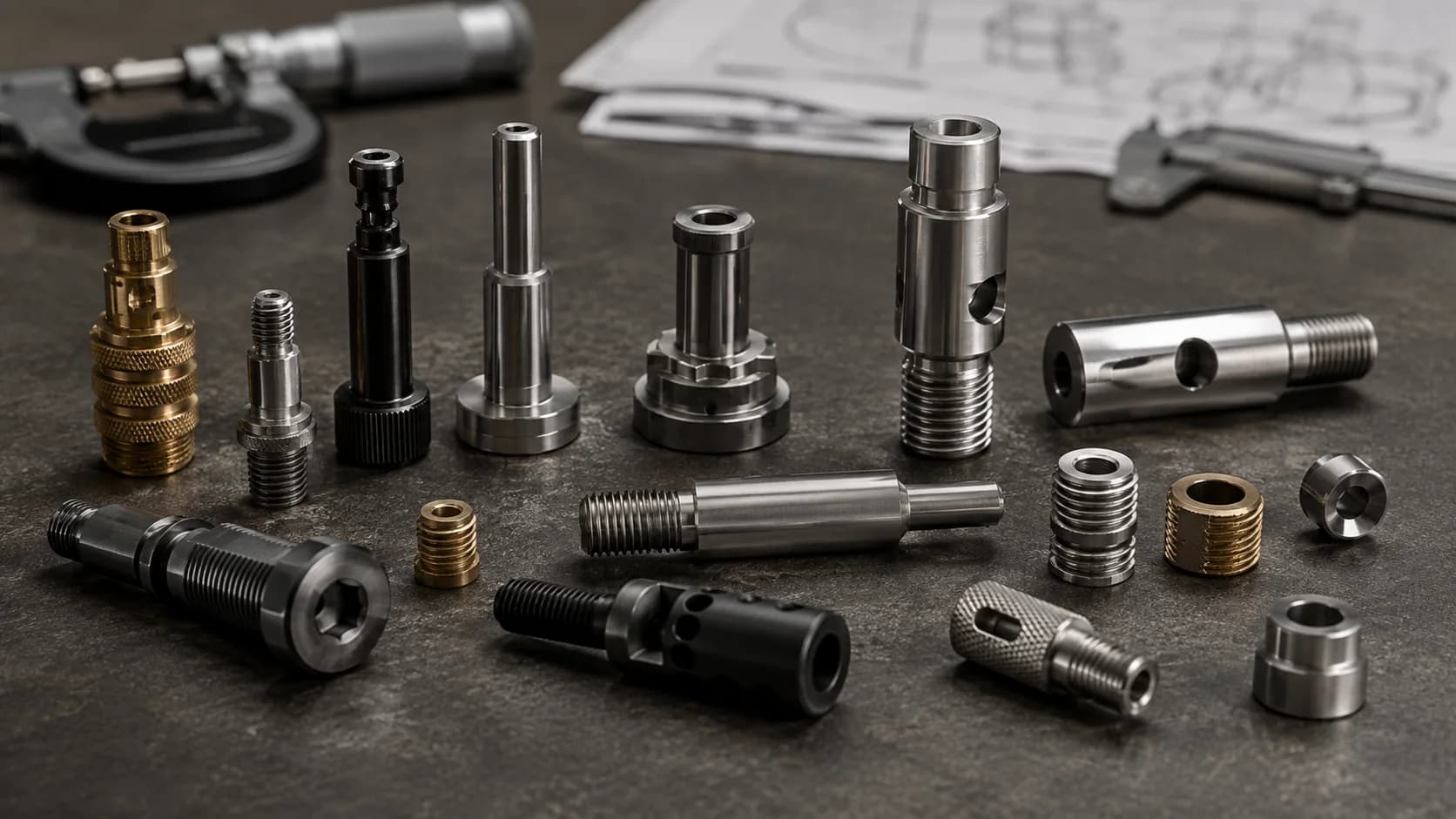
DIN 933 and ISO 4017 are frequently mentioned together because both cover full-thread metric hex-head fasteners. In purchasing, “equivalent” should start a dimensional check rather than end the conversation.
The safest approach is to preserve the drawing call-out, confirm the required edition and obtain approval before substituting one designation for another.
What to check before substitution
Confirm the exact size because small dimensional differences may only affect certain diameters or editions. Head height, width across flats, chamfers, thread length conventions and tolerance references all deserve review.
- Drawing and purchase-order call-out
- Standard edition or revision
- Across-flats and head-height requirements
- Thread tolerance and pitch
- Property class and marking
Dimensions are not mechanical properties
A dimensional product standard does not by itself complete the material specification. Mechanical properties are normally controlled through a separate property-class standard or project requirement. Include both pieces of information in the RFQ.
| Requirement | Typical call-out |
|---|---|
| Product geometry | DIN 933 or ISO 4017 |
| Mechanical performance | Property class such as 8.8 |
| Corrosion protection | Specified coating and thickness |
| Inspection | Drawing, sampling plan or buyer requirement |
Recommended procurement wording
Write “ISO 4017 required; DIN 933 alternative subject to dimensional approval” when substitution is possible. If no substitution is allowed, state that plainly. This prevents an informal equivalence assumption from becoming a receiving-inspection problem.
- Name the required standard first
- State whether alternatives need approval
- Attach the controlling drawing
- Record the approved deviation in writing
Frequently asked questions
Can DIN 933 always replace ISO 4017?
No automatic substitution should be assumed. Check the relevant size, edition, dimensions, tolerances and buyer approval.
Does either designation specify the coating?
The product designation alone does not communicate the complete coating requirement. State finish, coating thickness and test requirement separately.
Specification note
This article is general procurement guidance. The current standard edition, approved drawing and project engineer’s requirements control the final product selection.